What matters to me is that you can move comfortably and feel like yourselves. We will walk, stop, sit down, and spend time close together. Your clothes should let you do all of that without needing constant adjustment.
Here are a few ways to choose, with examples from recent sessions across Paris. If you are still planning the shoot itself, my Paris couple photography sessions page explains how we choose the route and prepare together.
/ Coordinate your outfits
Coordinate without wearing the same thing
An easy starting point is to lay your outfits next to each other. Do they feel right for the same occasion? A relaxed dress and a polo can work together beautifully. If one person is dressed for an evening reception and the other for a day of sightseeing, bringing them a little closer in formality usually helps.
You can connect the outfits through one shared colour, or choose a few colours that sit comfortably together. Cream and light blue, charcoal and deep green, or brown and burgundy are possible starting points.
I tend to favour quieter colours because they leave room for your faces and the surroundings. But if you feel most like yourself in a bright dress, say so. We can work with that when choosing the other outfit and where to photograph.
/ Summer
Summer: light colours and clothes you can walk in
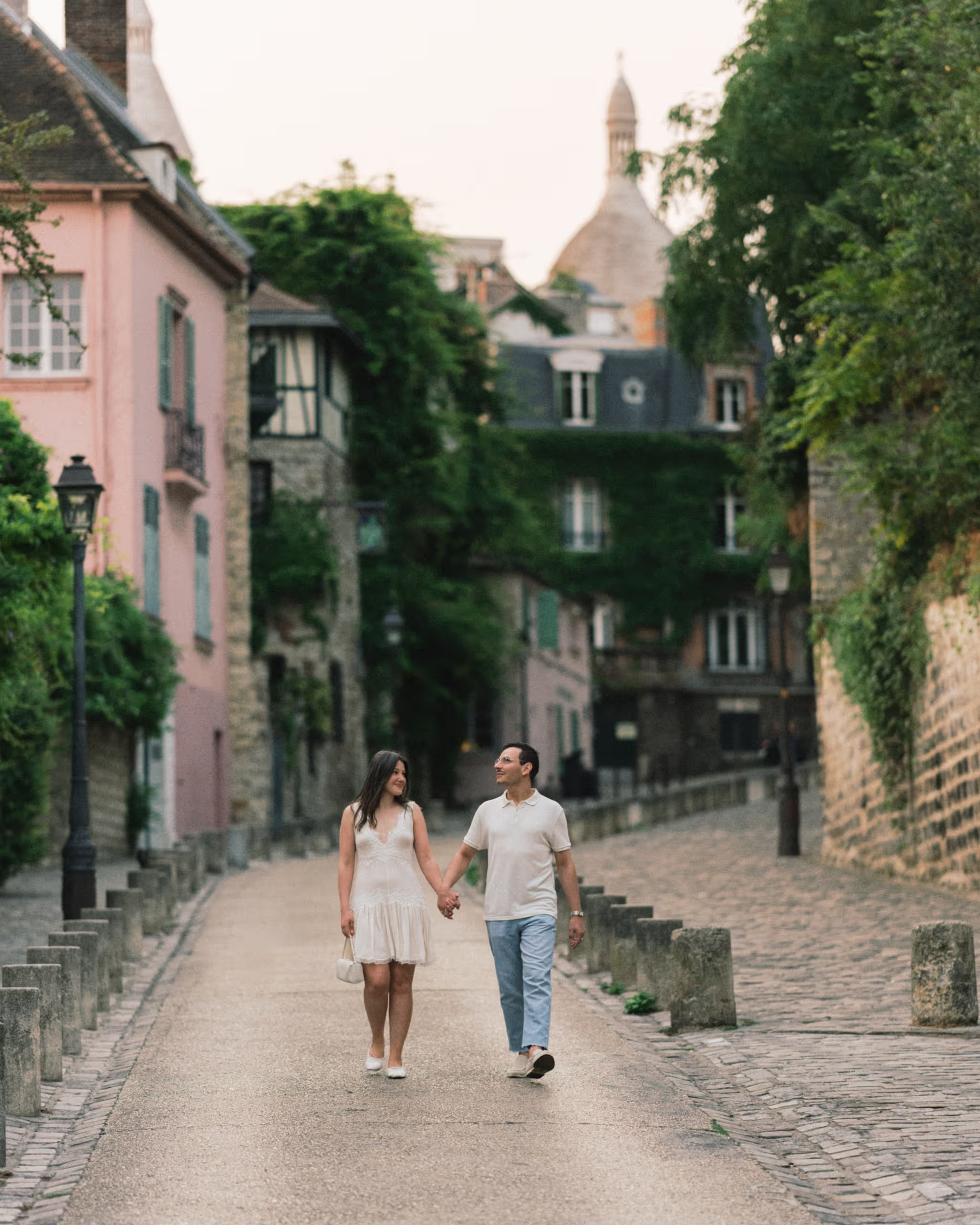
In this photograph from a couple session in Montmartre, her pale dress and his cream polo connect the outfits, while the light blue trousers bring in another colour gently. Their light clothing also helps them stand out against the darker greenery, even though they occupy quite a small part of the frame.
The dress has texture through the bodice and a loose skirt that moves as she walks. His polo and trousers have a similarly relaxed feel. They are wearing different things, but both look dressed for the same morning together.
For a summer photoshoot in Paris, a dress you can move in or a short-sleeved shirt with lightweight trousers is a useful starting point. Jeans and a simple top can work too if that is closer to how you usually dress.
Try walking and sitting in the whole outfit before you pack it. Linen is welcome if you like its texture and do not mind some natural creasing. Bring a light layer for an early start, even if you expect to take it off for some photographs.
/ Winter
Winter: make your coat part of the outfit
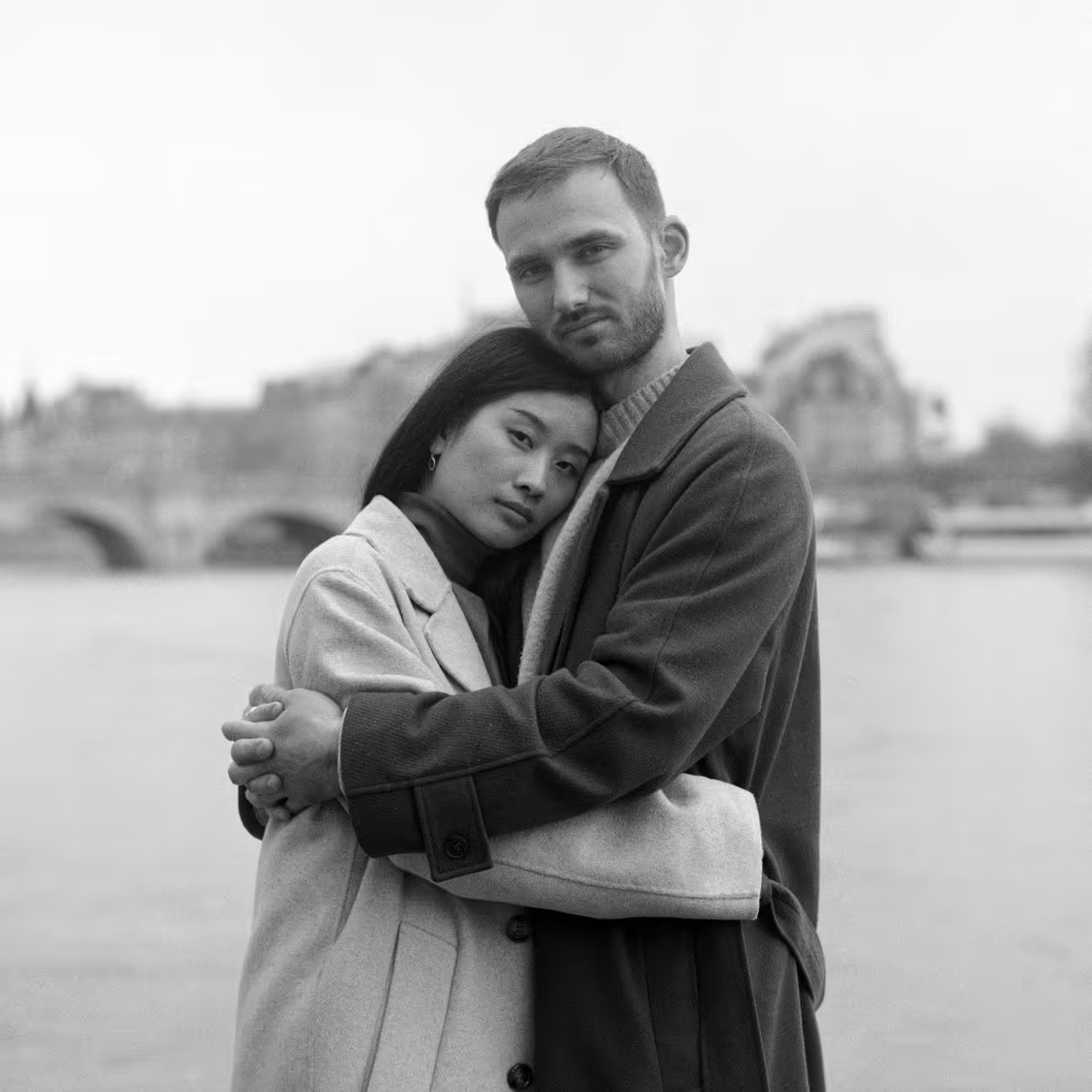
Suzanne and Titouan’s portrait shows why I suggest choosing your coat first for a winter photoshoot in Paris. Both wear simple coats over knitwear, with enough room to hold each other comfortably. The lapels, ribbed collars and overlapping sleeves give the photograph texture while keeping attention on their faces.
The lighter and darker coats work particularly well together in black and white. You can follow the shape of each person as they embrace, rather than their clothes merging into one dark area.
Start with a coat you enjoy wearing and a comfortable layer underneath. Then try both outfits together, including the outerwear. That may be what we photograph for much of the session.
There is no need to take your coat off for a good portrait. Bring a scarf and gloves if you need them, and choose shoes that keep your feet warm. Being comfortable gives us more freedom to take our time.
/ Spring and autumn
Spring and autumn: plan the layers together
For spring and autumn, choose an outfit that works with your jacket both on and off. A knit under a coat, a dress with a cardigan, or a shirt beneath an overshirt gives you a few options without a full change of clothes.
Check the forecast close to your session and dress for the hour we are meeting. A sunrise walk and an afternoon session can call for different layers.
Think about the surroundings too. Camel, rust and burgundy are colours I like alongside autumn foliage. In greener settings, cream or pale blue can provide a gentle contrast. These are options to help you choose, rather than colours you need to buy.
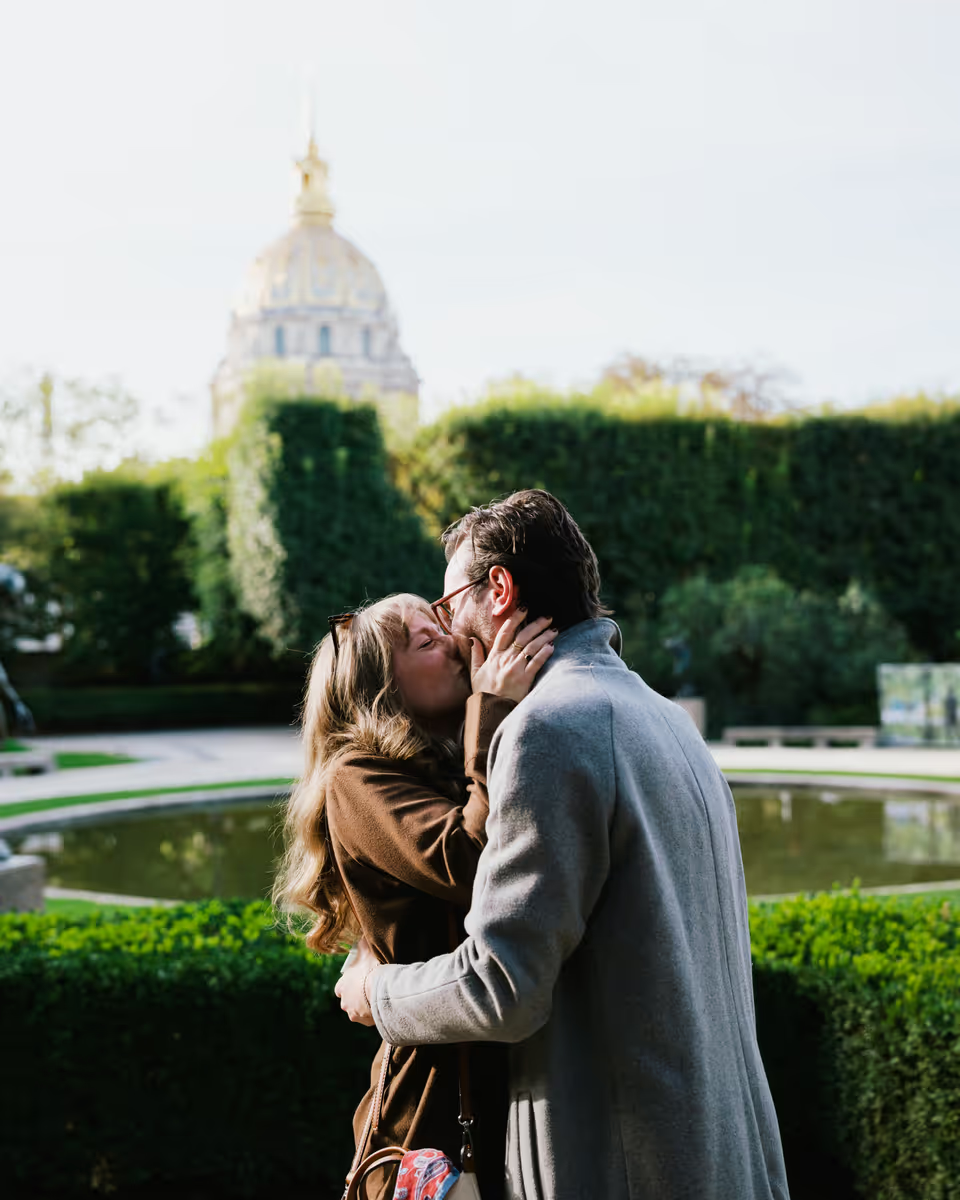
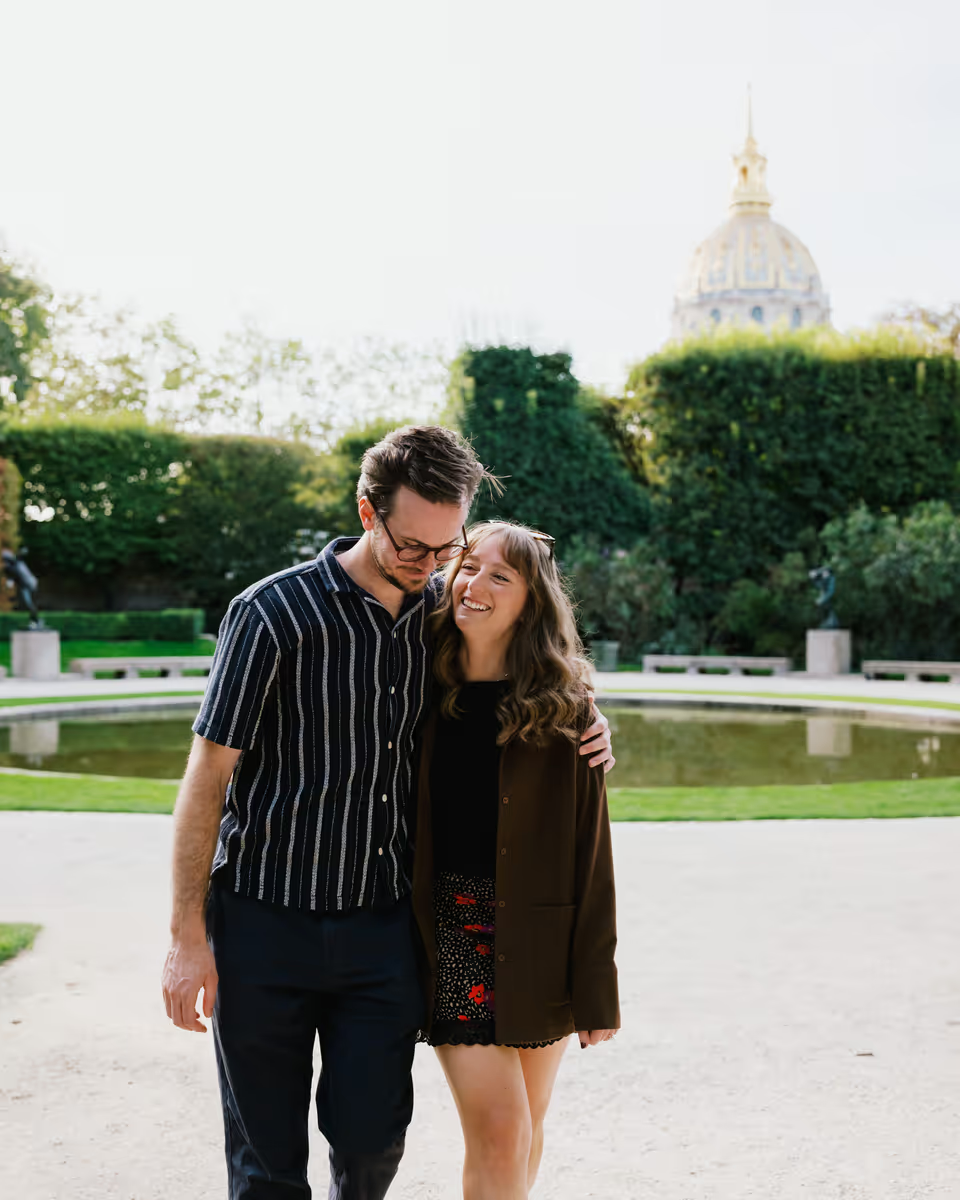
In Paige and Reinhardt’s October session at the Musée Rodin, his grey coat comes off later in the walk, while her brown jacket stays on. The same outfits work both ways, without a change of clothes.
/ Colours, patterns and accessories
Colours, patterns and accessories for couple photos
Black and white can both work. With two dark outfits, vary the texture or add a lighter layer so your shapes remain distinct, as in the winter portrait above. If you want to wear white, try it in daylight before packing to check how sheer the fabric becomes. Cream is another option, but there is no need to replace a white dress you love.
Very bright colours deserve a quick check together. A neon top close to a face can reflect colour onto the skin, while one richer colour, such as burgundy or deep blue, is easier to balance with a quieter outfit. Send me a photograph of the options if you are unsure.
Texture can add interest without dominating a photograph. You can see that in the summer dress and the winter knitwear above.
Patterns can work too. If one of you wears a print, a simpler outfit on the other person often gives it enough space. Large logos and slogans tend to catch the eye, so I usually suggest leaving those out unless they mean something to you.
Very fine stripes and small checks can create distracting repeating patterns in digital photographs. A larger print or a textured plain fabric is an easier starting point if you are choosing between pieces you already own.
Keep jewellery personal. The earrings, necklace or watch you wear regularly may feel more natural than accessories bought specifically for the session.
Bring a hat or sunglasses if you enjoy wearing them; we can take some photographs with them and some without. A small bag is useful for the walk and can hold the things you empty from your pockets.
/ Dress for the location
What to wear for Eiffel Tower photos and other Paris locations
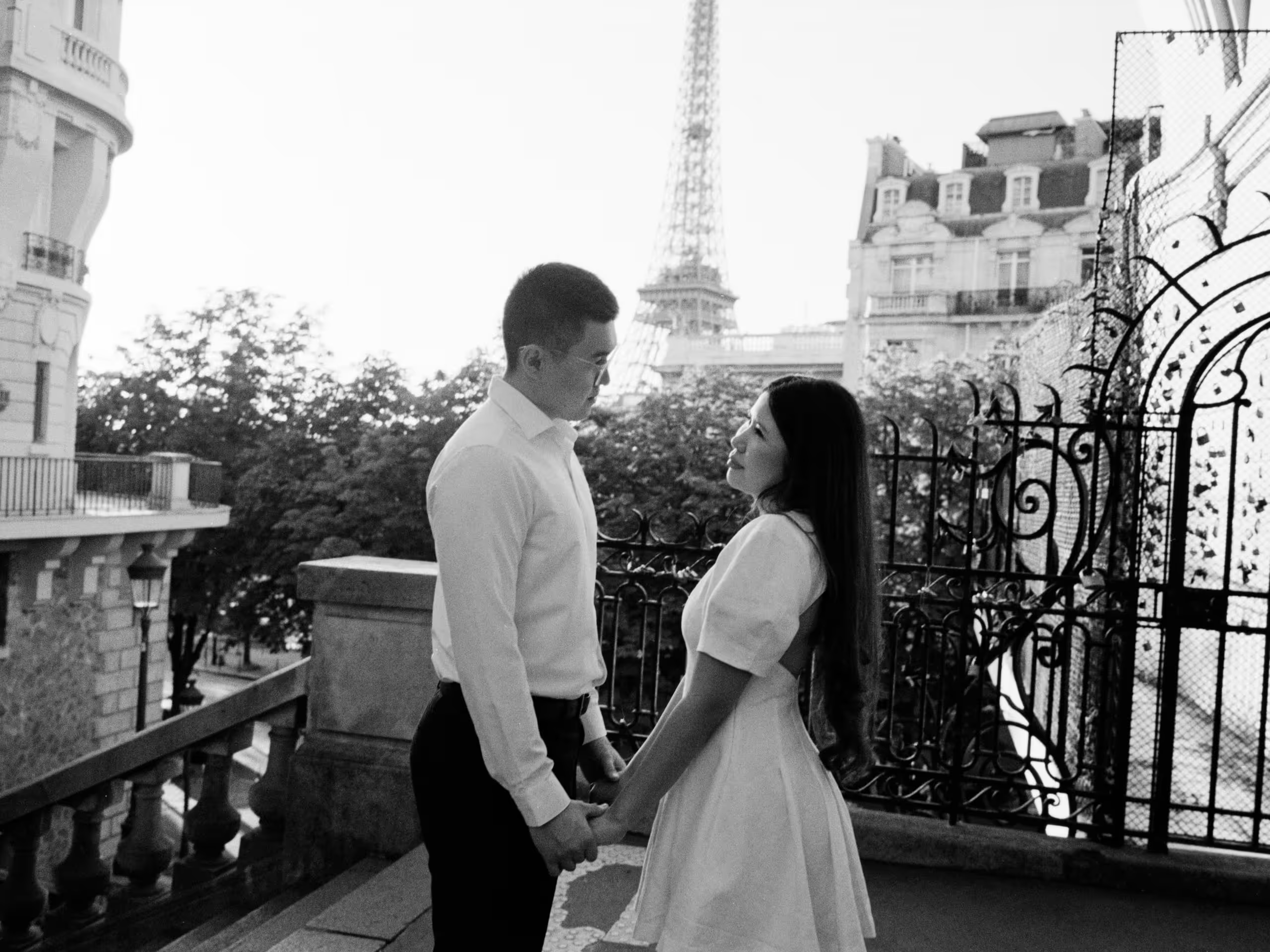
In Yelnara and Alisher’s photograph, her light dress and his light shirt give the outfits a shared tone. His dark trousers add contrast, while the short sleeves and open back give the dress its own shape. Both outfits leave their arms free as they hold hands. The dark railings and greenery behind them help the lighter clothing stand out in black and white.
For couple photos around the Eiffel Tower, start with the mood you want. A flowing dress with a shirt and tailored trousers can suit a dressed-up morning; a knit and a simple jacket work for a more relaxed walk. Check that you can hold your hem comfortably if it is breezy, and bring a layer for the time between photographs.
At the Louvre and Palais-Royal, think about how your clothes look against pale stone. A darker jacket or a richer colour can give separation; pale outfits can work too, with texture and different tones keeping the two of you distinct. A blazer, a simple dress or tailored separates are all useful options.
For Montmartre or a walk beside the Seine, put movement first: shoes for the steps, trousers you can sit in and a skirt that lets you walk easily. The summer example above shows how a relaxed outfit can feel considered. The location is a starting point for choosing together, rather than a dress code.
/ Engagement and holiday outfits
Outfits for a Paris engagement photoshoot
For a Paris engagement session, decide together how formal you want the photographs to feel. A dress with room to move alongside a shirt and blazer is one option; two tailored outfits or simple knitwear can feel just as personal. Try the whole look while holding hands and embracing, including sleeves and jewellery that may appear in close photographs.
For a surprise proposal in Paris, choose clothes that make sense for the outing you have planned. Discuss the outfit with me beforehand so the person being surprised can feel comfortable without an unexpected dress code giving the plan away.
A honeymoon, anniversary or holiday session can be as relaxed as your favourite clothes for an afternoon together. To keep spending down, build around pieces you already own: a simple dress and cardigan, or a shirt, trousers and comfortable shoes. A second outfit or a rented gown is optional; if you want a formal look, discuss the route and changing time with me before arranging it. If you are planning a Paris honeymoon photoshoot, that article covers timing it around your trip and choosing a location.
/ Rain and wind
What to wear if rain or wind is forecast
Rain is usually not a problem for photographs. Bring an umbrella you can comfortably share and an outer layer you are happy to wear in the photographs. Choose shoes with grip for wet paving, and keep long hems clear of puddles. Pack a spare pair of socks if the forecast looks wet.
For wind, try the outfit with your arms raised and while turning: a hem or neckline that needs constant holding will be harder to forget during the session. Bring a hair tie or clips if you use them, and keep a scarf secured while walking.
We settle the wet-weather plan in the recap the day before your session. We only cancel or reschedule for a really bad storm. Otherwise, rain can be part of the photographs, with wet stone, reflections and an umbrella to share. Choose your layers for the conditions we expect at the meeting time.
/ Shoes for the walk
Choose shoes for the walk
Paris gives us cobbles, stairs and gravel, depending on the location. Wear shoes you have already walked in comfortably. Flats, boots, loafers and clean trainers can all work with the right outfit.
If you want heels for some photographs, bring an easy pair to change into between stops. Check the hem of a long dress with both pairs, too.
/ Outfit changes
One outfit each is enough
A single outfit each is plenty for a couple session. Layers can change the look of the photographs without using time to find somewhere to get changed.
If you would like a second outfit, mention it while we plan. We can decide whether there is time and where changing would be practical.
/ Before you leave
Before you leave the hotel
- Try your outfits together, including coats and shoes.
- Walk, sit down and check that you can move comfortably.
- Steam anything you want smooth before leaving.
- Bring the layers you need for the forecast.
- If rain is forecast, pack a shared umbrella and spare socks; check your shoes and hem for wet paving.
- Put bulky phones and keys in a small bag for the photographs.
If you are still deciding what to wear, send me pictures of the options. I can help you choose with our Paris location and the season in mind. Once that is settled, you can stop thinking about your clothes and enjoy the time together.
Your session